
We had to have one of our ferrets PTS the other week. His name was Leo and he had been with us for barely seven months. Having recently adopted a bonded group of five to go with Barney at the beginning of 2018, we weren’t looking for any more. True… the ferret room is very big and in fact, we were once up to 17. That required the room to be cleaned twice a day though and we’ve been trying to make life a bit easier.
However, when I got a phone call from a local vet last summer about a stray they had taken in, I didn’t think I could say no. He was taking up valuable space at the surgery and there were no other rescues close by. I should have told them that we aren’t a rescue (heaven only knows where they found our phone number), but after all, it was only one ferret and what could go wrong? I put a cat basket in the car and drove over to collect him, forgetting just how yellow and smelly the boys can be when they haven’t been neutered. We arrived home and then I wondered where we could keep him until he was socialised with our other ferrets. In the past, we had used a show cage in another room, but with so many young cats around I was worried about them sticking their paws through the bars and maybe getting nipped. So I put him straight in the ferret room and watched. I needn’t have worried. He was keen to have new friends and I only had to correct him three or four times when he grabbed one by the scruff of the neck. I made the hissing sound familiar to all scolded ferrets and he seemed to understand. From that moment, we never had another problem with him.
He eventually cleaned up and our dear ferret specialist vet gave us a hormone implant for free. Suprelorin is normally used in cats and dogs, but we have used it for many years in our ferrets and we also had one put in our elderly chicken last year. I love it for ferrets because it will prevent them from coming into season for some considerable time, therefore delaying surgical neutering and the health problems related to that. In fact, we have had a few hobs (boy ferrets) who lived their entire lives on just one implant and they didn’t require surgical neutering at all.
Sadly, we were never really happy about Leo’s health situation, although by Christmas he had put on some weight. He never looked or acted like our other ferrets and at the beginning of the month, he was getting weak on his hind legs. I contacted our lovely vet, but she wasn’t on duty for a few days and the evening before our appointment I sent her an e-mail to say I would no longer be looking for tests. The next day she checked him over and said he had probably been suffering from kidney or liver failure since we got him. He was a good boy and will be missed a lot, but at least he got to spend his last few months in the sun.
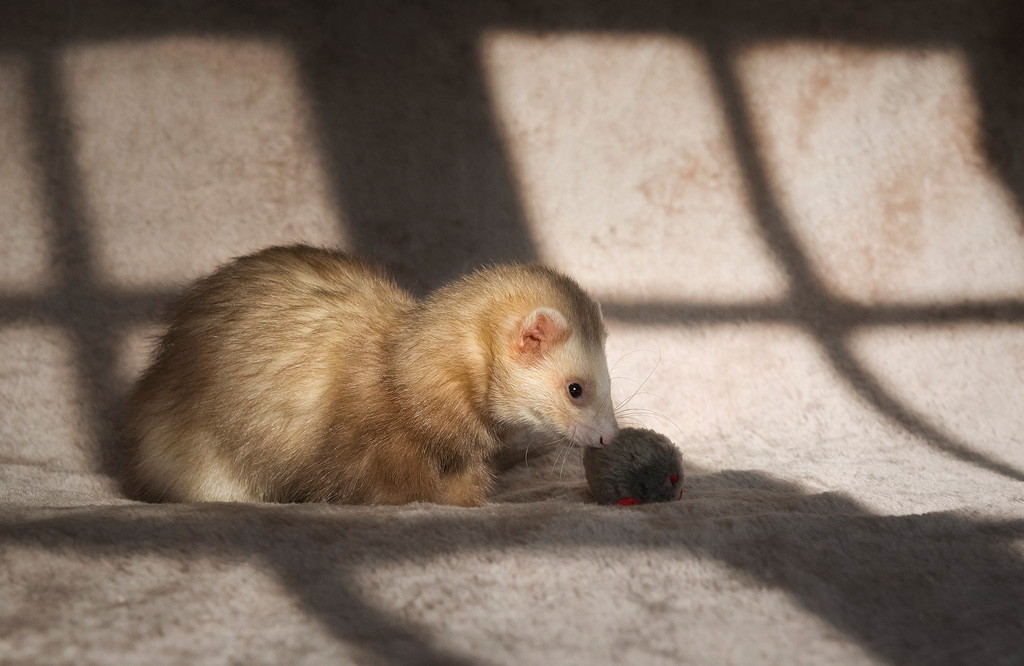
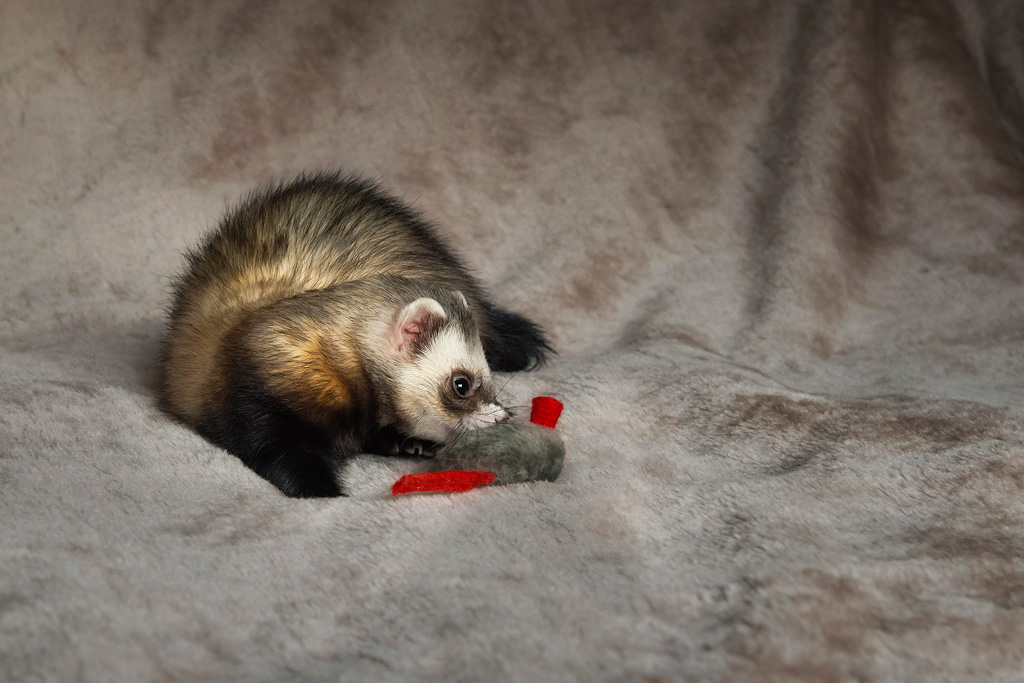
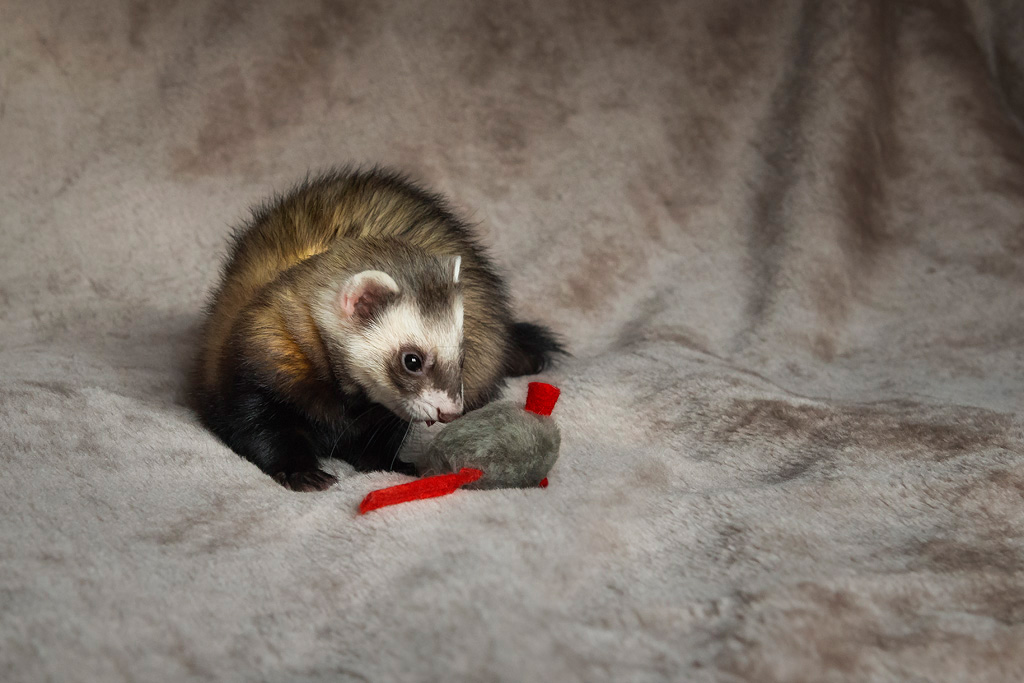
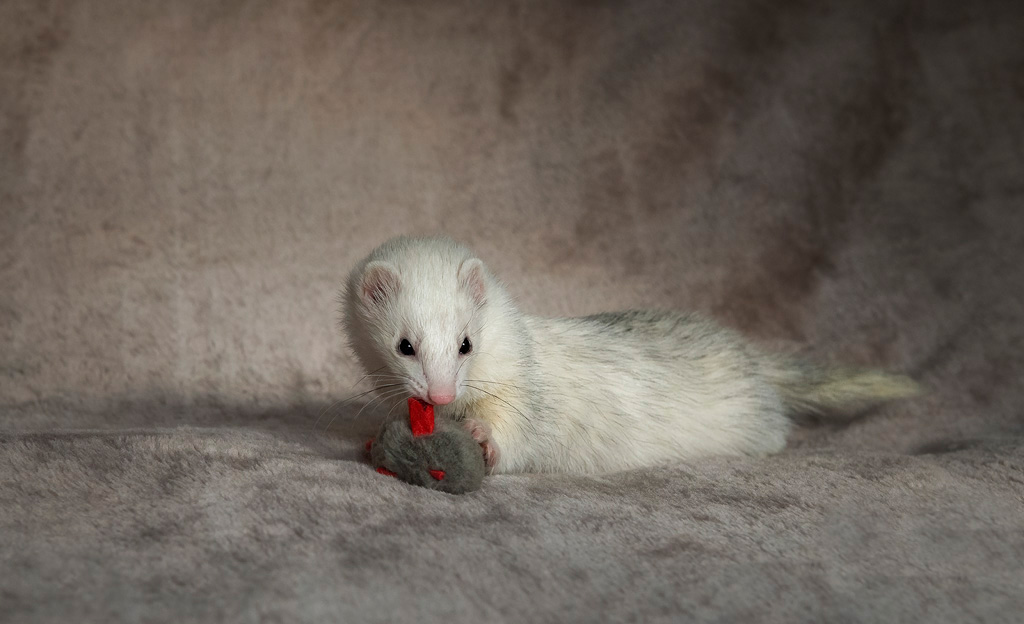
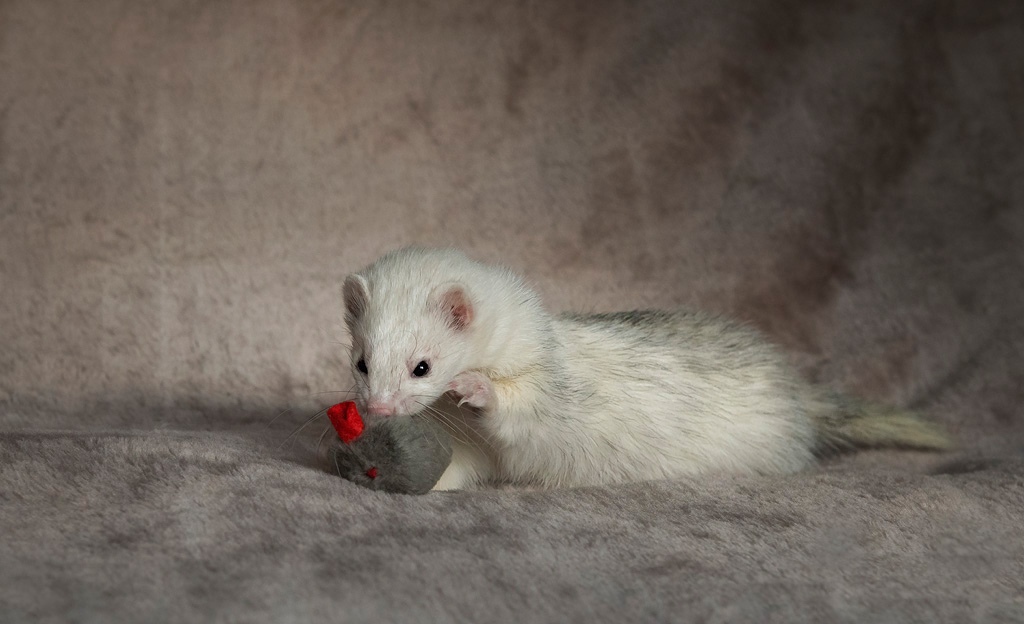
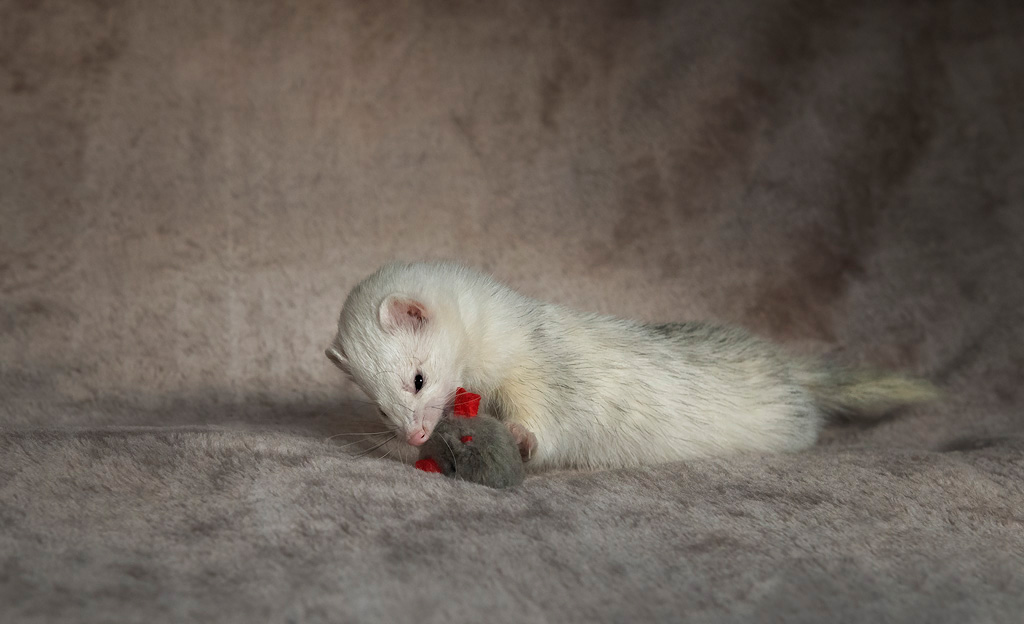
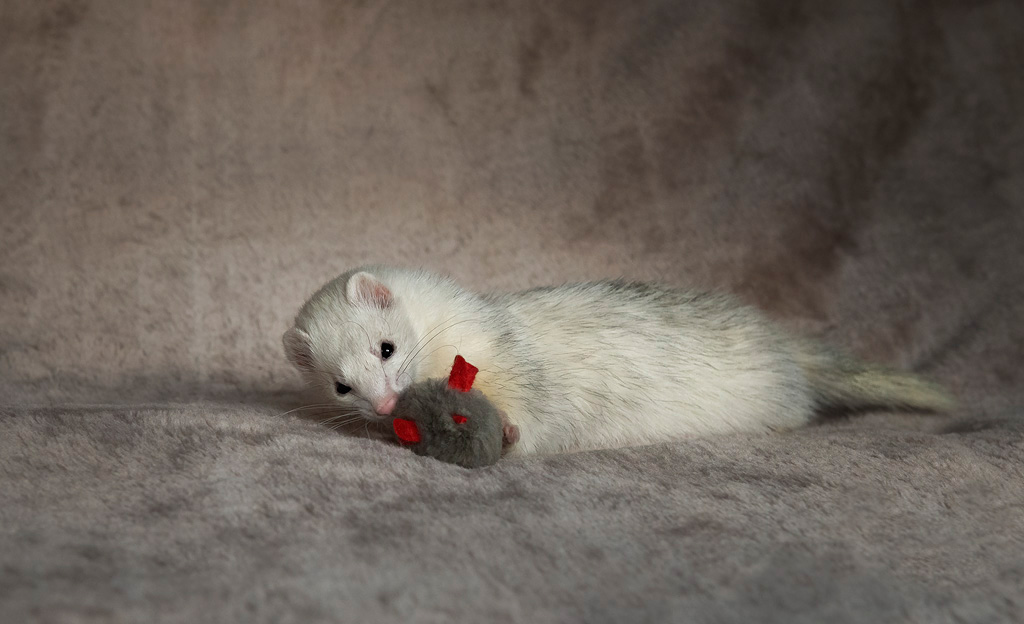
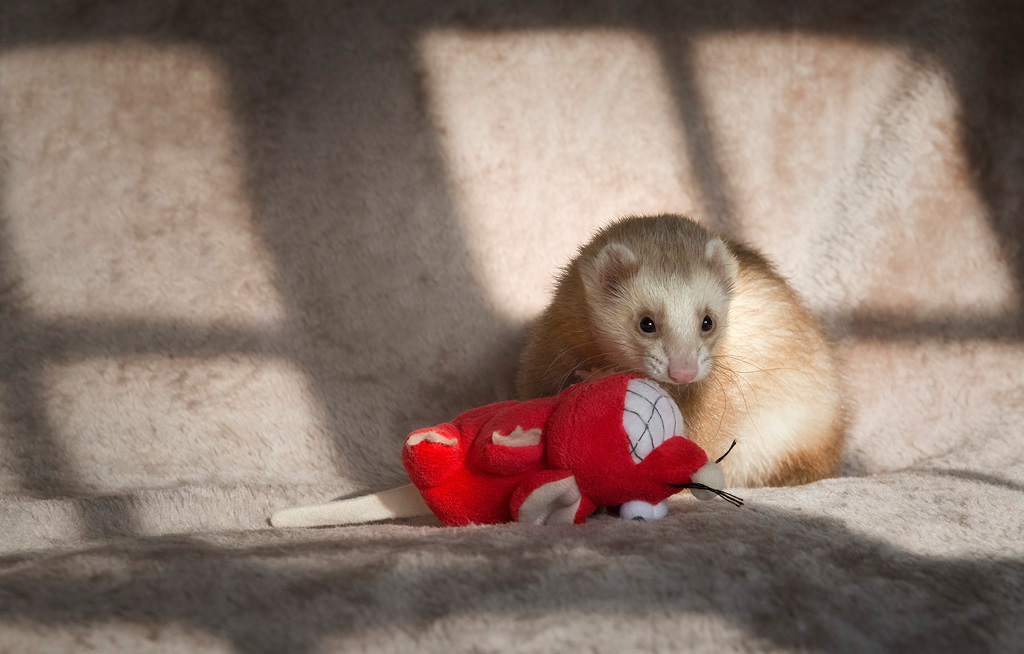
Here are some of our other ferrets photographed around the same time. Sadly Leo, although happy and eating well, didn’t feel up to joining in.